
.png)
Understanding and Supporting Your Anxious Dog

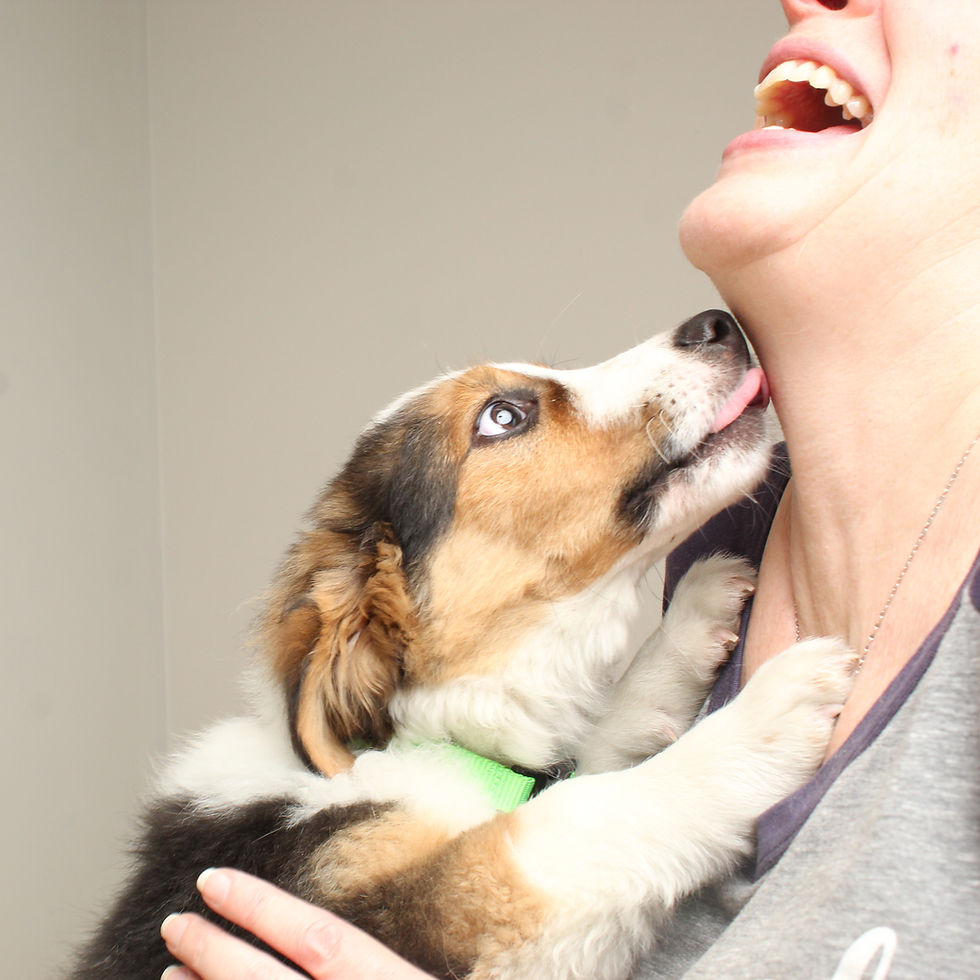
At The Bond Between, we believe that the relationship between a person and their pet is built on a foundation of mutual trust and understanding. Sometimes, however, our four-legged companions carry worries that they can’t express in words. Seeing your dog struggle with anxiety can be heart-wrenching, but it is important to remember that anxiety isn't a "bad behavior"—it’s a plea for help.
By learning to listen to what their actions are telling us, we can provide the steady hand and soft heart they need to feel safe again.
Types of Anxiety in Dogs
Anxiety in dogs can stem from many places, and identifying the "why" is the first step toward healing.
Separation Anxiety : Often called separation-related distress, this happens when a dog feels a deep sense of loss when their family leaves. It can lead to barked pleas for company or accidental messes in the house. If your dog is dealing with Separation anxiety, please read our blog on How To Manage Separation Anxiety In Dogs.
Rescue Anxiety : For many of our brave rescue residents, anxiety is a lingering shadow of past trauma or the stress of shelter life. Some dogs may seem "shut down" at first, only showing their reactivity or restlessness once they begin to feel safe enough to settle in.
Social Anxiety : Just like people, some dogs find unfamiliar faces or other animals overwhelming. This can look like hiding away, or sometimes, a nervous energy that presents as impulsive jumping and licking.
Illness-Induced Anxiety : Occasionally, a dog’s irritability or sudden change in mood is their way of telling us they don’t feel well. Pain or itchiness can make the world feel like a much scarier place.
Identifying Symptoms
Our dogs speak to us through their bodies. When a dog is struggling, they may exhibit "red flags"—behaviors that feel out of character or excessive. You might notice restlessness, heavy drooling, or a sudden withdrawal from the family. These aren't choices your dog is making to be difficult; they are physical responses to a mind that feels under threat.
Treatment and Management
Managing anxiety is a journey you take together, and you don’t have to walk it alone. We believe in a compassionate, holistic approach to helping your dog find their center.
Veterinary Consultation : The first step is always a conversation with your veterinarian. They can rule out physical pain and discuss whether anti-anxiety support is right for your pet. At The Bond Between Vet Center, we are specialized to treat your dog's anxiety and help strengthen the bond between you. Sometimes, a little help from medicine can quiet the "noise" in a dog's mind, allowing them to finally relax enough to learn new, calmer habits.
Behavioral Training : We advocate for "Force-Free" training that focuses on rewards and relaxation. Working with a professional trainer who uses kindness rather than correction ensures your dog feels supported, not pressured. The Bond Between has put together a reliable pet training resources to help families navigate this stressful time.
Exercise and Enrichment :
Physical: Regular walks help with health and socialization, though some anxious dogs may prefer low-stress "loose leash" walks.
Mental: For dogs overwhelmed by the outdoors, sensory enrichment and stimulating activities inside the home can be more beneficial than traditional walks.
You Are Their Safe Harbor
Healing takes time, patience, and an abundance of love. When we support an anxious dog, we aren't just changing their behavior; we are reinforcing the beautiful bond that brought you together in the first place.
Remember: A nervous dog isn't trying to give you a hard time—they are having a hard time. Together, with the right tools and a lot of heart, you can help them find the peace they deserve.


I searched for a casual driving game and found eggy car. It's a fun choice if you enjoy improving your own high score https://eggycargame.cc